
Introduction
Is chicken safe for dogs? It’s a question many pet owners ask, especially when those puppy eyes beg for a bite from your plate. The good news is—yes, chicken can be a healthy and protein-packed treat for your furry friend! But before you toss a piece their way, there are important rules to follow. From cooking methods to portion sizes, this guide covers everything you need to know to keep your dog safe, healthy, and happy.
Why Chicken is a Superfood for Dogs?
Ever seen those puppy-dog eyes begging for a bite of your chicken? Well, here’s some good news: chicken can be an absolute superfood for your furry friend! It’s not just a tasty treat; it’s packed with the nutrition they need to thrive.
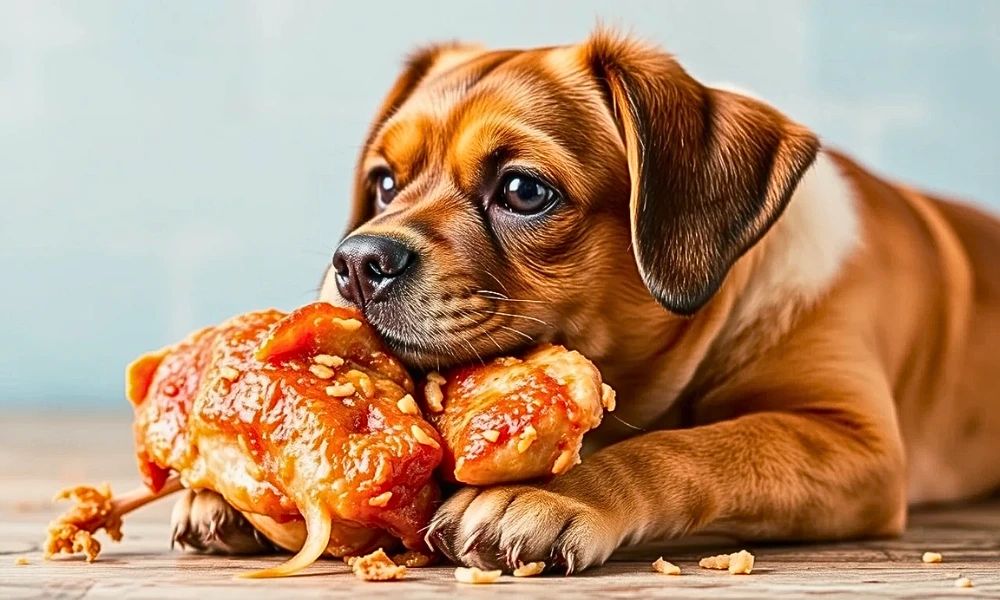
Let’s break down why it’s so great:
- High-Quality Protein Source: Protein is the building block of life for your dog. It helps build strong muscles, repairs tissues, and gives them boundless energy to run, play, and fetch. Chicken provides a lean, excellent source of this vital nutrient, supporting everything from a healthy coat to a strong immune system.
- Rich in Essential Vitamins and Minerals: This isn’t just empty calories. Chicken is loaded with goodies like B vitamins for energy metabolism, iron for healthy blood, zinc for skin health and wound healing, and selenium, a powerful antioxidant that protects their cells from damage. This powerful mix of vitamins and minerals supports their overall health from nose to tail.
- Great for Muscle Growth and Energy: Whether you have a bouncing puppy, a working dog, or a senior pet, maintaining muscle is key. The amino acids in chicken, like taurine, are crucial for heart health and muscle growth. It provides sustained energy, making it a perfect meal for active pups who love to hike, run, or compete in agility.
But wait—before you toss a piece from your plate, there’s a right way and a wrong way to do it. Safe preparation is everything to avoid vomiting, diarrhea, or an upset stomach.
Always ensure the chicken is cooked thoroughly—boiled, steamed, or baked are the best methods. Never give it raw due to risks of salmonella and e coli bacteria. Crucially, all bones must be removed to prevent internal injury, and all seasoning, salt, garlic, and onion must be avoided as they are poisonous for dogs.
For a homemade food recipe, simply boil boneless chicken breast or thigh until well done, shred it, and mix it with a dog-friendly carbohydrate like plain rice or pumpkin for a bland diet perfect for a sensitive stomach.
By understanding the incredible benefits and simple risks, you can confidently make chicken a healthy and secure part of your dog’s diet, keeping them happy, healthy, and forever by your side.
How to Prepare Chicken the RIGHT Way
So, you want to treat your furry best friend to some chicken? That’s awesome! But hold on—just because it’s good for us doesn’t mean it’s always safe for them. Preparing chicken for your dog isn’t hard, but doing it the right way is the difference between a healthy treat and a trip to the vet.
Let’s make sure you get it perfect every single time.
Boiled, Steamed, or Baked? Best Cooking Methods
The golden rule is simple: keep it plain and simple. The best ways to cook chicken for your dog are:
- Boiled: This is the #1 method. It’s super easy and makes the chicken soft and easy to digest, which is perfect for dogs with a sensitive stomach or who are feeling under the weather. Just put fresh chicken in a pot, cover it with water, and boil it until it’s fully cooked with no pink inside.
- Steamed: Steaming is another great option because it keeps more of the vitamins and minerals locked in. It’s a gentle way to cook that preserves the nutrition without needing any oil.
- Baked: You can also bake plain chicken in the oven. Just put it on a tray and bake it without any added fats or seasoning.
Remember: Always avoid fried or grilled chicken meant for people. Those methods often use unhealthy oil and spices.
Say NO to Spices, Oil, and Salt
Your dog’s health is worth more than a little extra flavor. Our food is full of things that are poisonous to dogs.
- Garlic and Onion (and their cousins like leeks and chives) are very toxic for dogs. They can damage their red blood cells and cause serious health problems.
- Salt and other spices can lead to dehydration, vomiting, diarrhea, or even sodium ion poisoning.
- Oil and fatty foods can cause pancreatitis, a very painful and dangerous condition.
The bottom line? When you cook for your dog, pretend you’ve forgotten all the spices in your kitchen. Plain is perfect.
Why You Must Remove Skin and Bones
This might be the most important step to keep your dog safe.
- Skin: Chicken skin is very high in fat. Feeding it to your dog can lead to obesity and pancreatitis. It’s best to always remove the skin before cooking.
- Bones: This is a huge danger. Cooked chicken bones become brittle and can easily splinter. These sharp pieces can cause choking, internal injury, puncture wounds in the stomach or intestines, or a dangerous constipation.
If you want to give your dog a bone for dental health, always choose a large, raw, vet-approved bone specifically for dogs—never cooked chicken bones.
By following these simple tips, you can turn a simple chicken breast into a safe, healthy, and homemade meal or treat that your dog will love. It’s the best way to show them love and affection while keeping them happy and healthy!
The Hidden Dangers of Feeding Chicken
We all want to spoil our dogs with tasty treats, and chicken often feels like a safe and healthy choice. But what you don’t know can hurt them. Even something as simple as chicken can hide serious risks if not handled correctly. Knowing these dangers is the best way to protect your furry family member and keep them safe and healthy.
Let’s uncover the truth behind the risks.
The Truth About Cooked Bones
This is one of the most important warnings any dog owner needs to hear: Never, ever give your dog cooked chicken bones.
It might seem natural, but cooked bones become dry and brittle. They can easily splinter into sharp, dagger-like pieces. These splinters can cause:
- Choking – A piece can get stuck in their throat.
- Internal Injury – Sharp fragments can puncture their stomach or intestines, which is a life-threatening emergency.
- Constipation – Bone fragments can create a dangerous blockage.
If you want to give your dog a bone for dental health, always choose a large, raw, vet-approved bone specifically for dogs. The truth is, cooked bones are a hidden danger, not a treat.
Risks of Seasoning and Additives
The way we prepare our food is full of poisonous risks for dogs. Your delicious grilled or fried chicken is loaded with seasoning, salt, oil, and spices that are extremely dangerous for your pet.
- Garlic and Onion: These common ingredients are highly toxic. They can damage your dog’s red blood cells, leading to a serious condition called hemolytic anemia. This includes all forms—leeks, chives, and powdered versions in seasoning.
- Salt: Too much sodium can lead to dehydration, vomiting, diarrhea, tremors, and even sodium ion poisoning.
- Oil and Fat: Fatty foods can trigger pancreatitis, a painful and potentially fatal inflammation of the pancreas.
The risk is clear: the additives we love are poisonous for our pups. Their food must be completely plain.
Allergies: Is Your Dog Sensitive to Chicken?
Just like people, dogs can have allergies too. Chicken is actually one of the most common food allergens for dogs. An allergy happens when your dog’s immune system overreacts to the protein in the chicken.
How can you tell if your dog has a chicken allergy? Watch for these allergy symptoms:
- Itching and scratching constantly, especially at their paws, ears, or base of the tail.
- Skin problems like hot spots, redness, or rashes.
- Ear infections that keep coming back.
- Gastrointestinal issues like chronic vomiting or diarrhea.
If you notice these signs after your dog eats chicken, it’s crucial to talk to your vet. They can help you manage the allergy and suggest alternative protein sources to keep your dog’s diet balanced and healthy.
By being aware of these hidden dangers, you can make smarter choices. Always serve plain, cooked, boneless chicken, and watch for any signs of an allergy. Your vigilance is the key to keeping your best friend happy, healthy, and by your side for years to come.
How Much Chicken Can Your Dog Eat?
Figuring out the right amount of chicken to give your dog can be tricky. You want to reward them, but you also need to keep their diet balanced and healthy. Giving too much of a good thing can lead to weight gain and other health problems. Let’s break down the simple rules so you can treat your pup without any worry.
The 10% Rule: Treats vs. Main Diet
This is the golden rule from veterinarian experts: treats, including chicken, should make up no more than 10% of your dog’s total daily calorie intake. The other 90% should come from their complete and balanced commercial or homemade dog food.
Why is this so important?
- Nutrition: Commercial dog food is specially formulated to provide all the vitamins, minerals, and nutrients your dog needs. Too many treats can create a nutritional imbalance.
- Weight Management: It’s the easiest way to prevent obesity, which can lead to arthritis, diabetes, and heart disease.
- Digestion: Sticking to this routine helps prevent an upset stomach.
Think of chicken as a special bonus, not the main course!
Recommended Serving Size Based on Weight
A little goes a long way! Here’s a simple guide based on your dog’s size. These are general recommendations for plain, cooked chicken as a treat:
- Small Dogs (under 20 lbs / 9 kg): About 1-2 small bites or teaspoons per day.
- Medium Dogs (21-50 lbs / 10-23 kg): About 1-2 tablespoons per day.
- Large Dogs (51-90 lbs / 24-41 kg): About 2-3 tablespoons per day.
- Giant Dogs (over 90 lbs / 41 kg): About a quarter cup per day.
Remember, this is a treat, not a meal. Always adjust the portion based on your dog’s activity level and metabolism.
Frequency: Daily vs. Occasional Treats
So, can you give chicken every day? The answer is yes, but only if you follow the 10% rule. A few small bites every day is perfectly fine for most dogs.
However, there are times when chicken is especially helpful:
- For Training: Small, dehydrated chicken strips or bites are fantastic high-value rewards during obedience training.
- For Picky Eaters: A small amount shredded and used as a topping or mixer on their regular food can encourage them to eat.
- For Sick Dogs: Veterinarians often recommend a bland diet of plain boiled chicken and white rice for a short period to help with digestion issues.
The key is moderation. Whether you give it daily or as an occasional surprise, always keep the portion small. This ensures your dog gets all the benefits of this protein-packed treat without any of the risks.
By following these simple guidelines, you can make chicken a safe, healthy, and happy part of your dog’s life.
Creative Ways to Serve Chicken to Your Dog
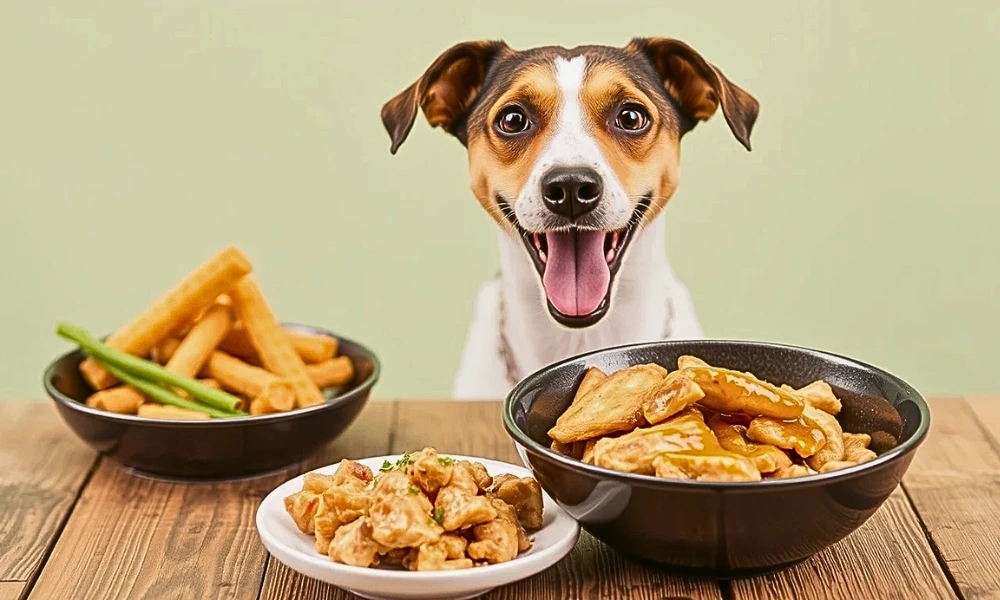
So you’ve mastered the basics of cooking plain chicken for your pup—awesome! Now let’s get creative. Turning that simple boiled chicken into exciting meals and treats is a fantastic way to show your dog some extra love and strengthen your bond. Here are some fun, safe, and healthy ideas to make your dog’s tail wag with joy.
Mixing with Regular Dog Food
Is your dog getting bored with their usual kibble? A little chicken can work wonders! This simple trick is perfect for picky eaters or dogs who need a little encouragement to finish their meal.
- How to do it: Simply shred or chop some cooked, boneless chicken into small bites and mix it right into their regular dog food.
- Why it works: The delicious smell and taste of chicken make their entire bowl of food more appealing. It’s a simple topping or mixer that adds a protein boost without ruining their appetite for their nutritionally balanced kibble.
- Pro Tip: You can even use a tablespoon of warm bone broth (low-sodium and onion-free) instead of water to moisten dry food for an extra flavor kick.
Homemade Chicken Treats Recipe
Why buy expensive jerky or treats from the store when you can easily make homemade ones? This simple recipe lets you control the quality and ensure there are no nasty additives or preservatives.
Simple Dehydrated Chicken Jerky
- Ingredients: 1 organic or antibiotic-free chicken breast
- Instructions:
- Preheat your oven to its lowest temperature (around 200°F or 95°C).
- Slice the chicken breast into thin strips, about ¼ inch thick. Remove all fat.
- Lay the strips on a baking sheet lined with parchment paper.
- Bake for 2-3 hours, turning halfway, until they are completely dried out and chewy.
- Let them cool completely before storing in an airtight container.
These healthy treats are perfect for training, rewarding good behavior, or just because! You can also find tutorials for this recipe on YouTube.
Using Chicken for Sick or Picky Eaters
When your dog is feeling under the weather with an upset stomach, vomiting, or diarrhea, veterinarians often recommend a bland diet. This is where chicken truly shines as a recovery food.
- The Classic Bland Meal: The go-to recipe is plain boiled chicken (shredded into small chunks) mixed with plain white rice. This combination is easy to digest, gentle on the stomach, and provides needed energy.
- For Extra Hydration: If your dog is dehydrated, you can offer them small amounts of bone broth (ensure it’s free of onion and garlic) to encourage drinking and provide electrolytes.
- Important Note: A bland diet is only for short-term management (a few days). Always consult your vet or an animal clinic if digestive issues persist, as they could signal a more serious health problem.
Getting creative with chicken is a wonderful way to enrich your dog’s diet and show them you care. With these simple ideas, you can turn a basic ingredient into a world of tasty and therapeutic possibilities!
What Vets Say About Feeding Chicken
When it comes to your dog’s diet, getting advice from a veterinarian is always the best choice. These experts have years of research and experience guiding their recommendations. So, what do vets really say about feeding chicken to your furry friend? Let’s look at the professional tips, warnings, and smart alternatives.
Professional Tips and Warnings
Vets agree that plain, cooked chicken can be a healthy part of your dog’s diet. However, they emphasize these crucial points:
- Consult Your Vet First: Before making any major changes to your dog’s diet, always talk to your vet or a pet nutritionist. They can provide advice based on your dog’s specific health needs, breed, age, and weight.
- Beware of Bacteria: Vets strongly warn against feeding raw chicken due to the high risk of bacteria like salmonella, which can make both your dog and your family sick.
- Watch for Allergies: Chicken is a common allergen for dogs. Vets recommend watching for signs like itching, paw licking, sneezing, or digestive issues like loose stool. If you see these symptoms, stop feeding chicken and consult your animal hospital or clinic.
- No Cooked Bones: This is a critical warning. Cooked bones can splinter and cause internal injury, choking, or intestinal blockages, which may require emergency surgery.
When to Avoid Chicken Entirely
There are certain situations where vets recommend avoiding chicken completely:
- Known Chicken Allergy: If your dog has been diagnosed with a chicken allergy, it’s essential to find other protein sources.
- Pancreatitis or Liver Issues: Dogs with pancreatitis or liver function problems need a very low-fat diet. Since chicken skin and dark meat are higher in fat, your vet might suggest a different protein.
- Kidney Disease: Dogs with kidney issues often need a diet low in phosphorus. Chicken is high in phosphorus, so your vet may recommend a special renal diet instead.
Alternatives to Chicken (Turkey, Fish, etc.)
If chicken isn’t the right fit, don’t worry! Vets suggest many other healthy alternatives that provide great nutrition:
- Turkey: A lean protein similar to chicken. Make sure it’s cooked plainly without skin or bones.
- Fish: Fish like salmon (cooked and boneless) is excellent. It’s rich in omega-3 fatty acids, which support skin, coat, and brain health.
- Lean Beef: Beef can be a good option if it’s very lean and cooked without any oil or seasoning.
- Lamb: Another protein source that some dogs with allergies tolerate well.
- Commercial Hypoallergenic Food: Brands like Purina, Royal Canin, Hills, and Blue Buffalo offer special hypoallergenic formulas made with unique proteins like duck or venison.
Remember, every dog is different. What works for one may not work for another. The best plan is to work with your vet to find the perfect diet that keeps your pup happy, healthy, and full of energy!
FAQs About Dogs and Chicken
You’ve got questions, and we’ve got answers! Here are some of the most common things dog owners like you ask about feeding chicken to their furry friends.
Can puppies eat chicken?
Yes! Puppies can absolutely eat chicken, and it’s a fantastic source of protein to help them grow big and strong. However, there are a few extra tips to keep in mind for your little one:
- Cook it thoroughly: Always make sure the chicken is fully cooked with no pink inside to avoid any bacteria.
- Make it easy to eat: Cut it into tiny, pea-sized bites to prevent choking.
- Start small: Introduce it slowly. Give them a tiny amount first to make sure it doesn’t cause an upset stomach.
- Stick to the 10% rule: Remember, chicken is a treat. Their main diet should be a high-quality puppy food that has all the special nutrients they need for healthy growth.
Is raw chicken safe?
Most veterinarians and pet nutritionists strongly say no. Feeding raw chicken comes with big risks:
- Bacteria: Raw chicken can contain dangerous bacteria like Salmonella and E. coli. This can make your dog very sick with vomiting and diarrhea, and it can also spread to people in your family.
- Parasites: There is also a risk of parasites and worms.
The safe choice is always to cook the chicken plain—boiled or baked—without any seasoning.
What to do if your dog reacts badly?
If your dog has a bad reaction after eating chicken, here’s what to do:
- Stop feeding the chicken immediately.
- Look for symptoms: Watch for itching, paw licking, sneezing, vomiting, diarrhea, or swelling.
- Contact your vet: If the reaction seems serious (like trouble breathing) or doesn’t go away quickly, call your vet or the nearest animal hospital right away. They can provide the right treatment and management advice.
For mild allergy symptoms, your vet might suggest a bland diet and antihistamines.
Conclusion: A Tail-Wagging Final Thought
Feeding your dog chicken can be a wonderful way to add joy and nutrition to their diet. Remember the key tips: cook it plain, remove all bones and skin, and always keep it as a treat, not the main meal. Watch your dog for any signs of an allergy, and when in doubt, consult your vet.
By following these simple guidelines, you can ensure mealtime is both safe and happy for your best friend. Here’s to many more years of wagging tails and joyful, healthy eating!




Leave a Reply