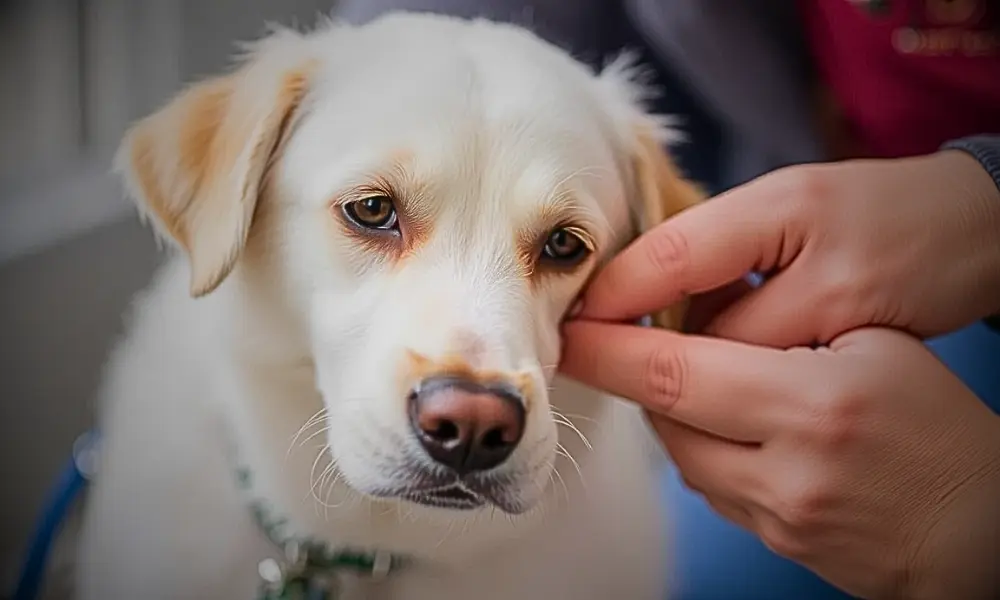
The Short Answer: Can Dogs Get the Flu From Humans?
The short and direct answer is: The risk is generally very low, but it is not completely impossible.
For the most common seasonal flu viruses that circulate every year, the chances of you passing it to your dog are extremely slim. You can most likely relax if you have the flu and are worried about your dog catching it from you.
However, science has shown that transmission can happen in rare cases, making it important to be cautious. The next section explains the “why” behind this answer.
Understanding the Science: Human Flu vs. Dog Flu
The reason transmission is rare boils down to the biology of the viruses themselves. Think of flu viruses as having specific “keys” that only fit certain “locks” on an animal’s cells.

- Human Influenza Viruses: These strains (like Influenza A and B) have evolved to specifically target the cells in the human respiratory system. Their “key” is designed to fit the “locks” (receptors) most commonly found in humans.
- Canine Influenza Viruses: These are different strains (like H3N8 and H3N2) that have evolved to infect dogs. They have a different “key” that fits the “locks” in a dog’s respiratory tract.
Because the viruses are species-specific, the human flu virus typically struggles to latch onto and infect a dog’s cells, and vice-versa. This natural barrier is why you usually don’t have to worry about giving your dog the flu.
When Can Transmission Happen? The Rare Exceptions
While the species barrier is strong, it is not impervious. The primary exception to the rule is the H1N1 strain, commonly known as “swine flu.”
Research has shown that this particular virus has a higher potential for cross-species transmission. This means it can “jump” from humans to animals, including dogs, cats, and ferrets.
- Evidence-Based Cases: A study published in the journal Emerging Infectious Diseases documented cases of several dogs catching the H1N1 virus from their sick owners. This confirmation by veterinary scientists is why we say transmission, while rare, is possible.
- The Reason: The H1N1 virus is a unique strain whose surface proteins allow it to potentially bind to receptors in a wider range of species, slightly bypassing the usual species-specific lock and key mechanism.
This underscores the importance of good hygiene when you are sick, even if the overall risk for most common flu strains remains low.
How to Tell if Your Dog is Sick (Dog Flu Symptoms)
Canine Influenza, whether from another dog or in a rare case from a human, has specific symptoms. Recognizing them early is key to getting your pet the care they need.

Common Signs of Canine Influenza
If your dog has caught a flu virus, you may observe one or more of the following signs:
- Coughing (a persistent cough, which can be dry or moist)
- Sneezing
- Nasal discharge (runny nose, which can be clear or cloudy)
- Lethargy (unusual tiredness, lack of energy for walks or play)
- Loss of Appetite (not interested in food or treats)
- Fever (a high temperature, often detected by a vet)
Most cases are mild, but it’s crucial to know when symptoms become more serious. The following table helps you compare and understand the severity.
Mild vs. Severe Symptoms of Canine Flu
| Mild Symptoms (Monitor at Home) | Severe Symptoms (Contact Your Vet Immediately) |
| Soft, moist cough | Harsh, persistent coughing |
| Occasional sneezing | Difficulty breathing, rapid breathing |
| Clear nasal discharge | Thick green nasal discharge |
| Low energy but still responsive | Extreme lethargy, refusal to move |
| Slightly reduced appetite | Complete loss of appetite for more than a day |
| Mild fever | High fever (Vet confirmation needed) |
| Additional Warning Signs: Gums turning bluish or purple (indicating low oxygen) |
This table empowers you to make an informed decision about when to call the vet, reducing panic and ensuring your dog gets timely help.
What to Do If You’re Sick and Have a Dog (Practical Steps)
Even though the risk is low, it’s always better to be safe than sorry. If you have the flu or a cold, these simple, practical steps will help you protect your furry family member while you recover.
Preventing Transmission
Your goal is to minimize your dog’s exposure to the virus. You can do this effectively without completely isolating your beloved pet.
- Wash Your Hands Frequently: This is the most crucial step. Always wash your hands thoroughly with soap and water before and after petting your dog, handling their toys, or preparing their food.
- Avoid Close Contact: This is difficult, but try to avoid kisses, snuggles, and letting your dog sleep on your pillow. Cough and sneeze into your elbow, away from your pet.
- Isolate While You Sleep: If possible, sleep in a separate room to avoid sharing bedding and close air space throughout the night. This significantly reduces the chance of droplet transmission.
- Keep Their Belongings Clean: Regularly wash your dog’s food and water bowls, as well as their favorite toys, with hot soapy water.
Monitoring Your Dog’s Health
Stay vigilant and watch for any changes in your dog’s behavior or appearance that might indicate they are feeling unwell.
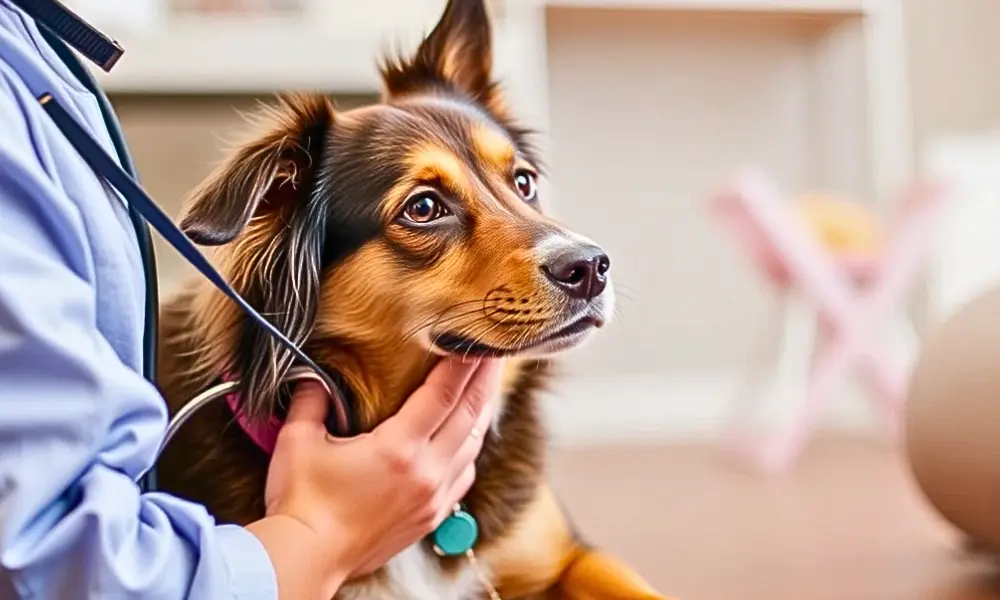
Keep a close eye on them for the symptoms listed in the previous section, such as:
- Coughing or Sneezing: Is it a new, persistent cough?
- Energy Levels: Are they less interested in play or walks?
- Appetite: Are they eating and drinking normally?
- Nasal Discharge: Do they have a runny nose?
By monitoring them closely, you can catch any potential illness early and seek veterinary advice promptly if needed. This proactive approach ensures your pet stays happy and healthy.
When to Contact Your Veterinarian
While many cases of canine cough or mild illness can be managed at home, certain symptoms are red flags that require immediate professional attention. If your dog shows any of the following signs, contact your veterinarian immediately:
- Difficulty Breathing: This includes rapid breaths, wheezing, or obvious struggle to draw air. This is the most critical sign.
- Not Eating or Drinking: A complete loss of appetite for more than 24 hours, especially if combined with lethargy, can lead to dangerous dehydration.
- High Fever: A high fever (over 103°F or 39.4°C) is a sign that the body is fighting a significant infection and needs medical support.
- Lethargy and Weakness: If your dog is so weak it cannot stand, is unresponsive, or refuses to move.
- Persistent Symptoms: Symptoms like a severe cough that last for more than a week without any improvement.
It is always better to err on the side of caution. You know your dog best. If your pet is acting abnormally and you are concerned, a call to your vet can provide peace of mind and ensure your dog gets the right care at the right time.
Frequently Asked Questions (FAQs)
Here are clear, concise answers to the most common questions people have about this topic.
Can I get my dog sick if I have a cold?
It is highly unlikely. The common cold in humans is typically caused by Rhinoviruses or Coronaviruses (not COVID-19) that are specifically adapted to infect humans. These viruses generally cannot survive or replicate in a dog’s body. So, while it’s always good to practice basic hygiene, you don’t need to worry about giving your dog your common cold.
Can dogs get COVID from humans?
Yes, this is possible. According to the CDC and World Organisation for Animal Health (WOAH), the virus that causes COVID-19 (SARS-CoV-2) can spread from people to animals during close contact. This has been documented in dogs, cats, and other mammals. If you have COVID-19, it is recommended to limit contact with your pets, just as you would with people, to protect them.
How can I treat my dog’s flu at home?
Important Note: You should always consult your veterinarian for a proper diagnosis and treatment plan before attempting any home care. They can confirm it’s the flu and not a more serious condition.
If your vet has diagnosed a mild case and recommended supportive care at home, they may advise you to:
- Ensure Rest: Provide a quiet, comfortable place for your dog to recover without exertion.
- Encourage Hydration: Make sure they have access to plenty of fresh water to prevent dehydration. Offering low-sodium chicken broth can help.
- Use a Humidifier: Steam from a humidifier or a bathroom shower can help ease congestion and coughing.
- Feed a Bland Diet: If their stomach is upset, offer plain, boiled chicken and white rice.
Never give your dog human medications like cough syrup, ibuprofen, or acetaminophen, as these can be extremely toxic. Always follow your vet’s specific instructions.





Leave a Reply